
A well-maintained car carrier truck is more than just a transport vehicle—it is a critical asset for dealerships, vehicle logistics companies, and auto transport businesses. Whether you operate a single-car transporter for local deliveries or a multi-car carrier truck for long-distance vehicle transport, understanding the types of car carrier trucks can help you choose the right maintenance schedule.
Many fleet owners focus on loading capacity and fuel costs, but preventive maintenance often has a greater impact on long-term profitability. A truck that receives regular inspections and servicing is less likely to experience breakdowns, unexpected repairs, or costly delivery delays.
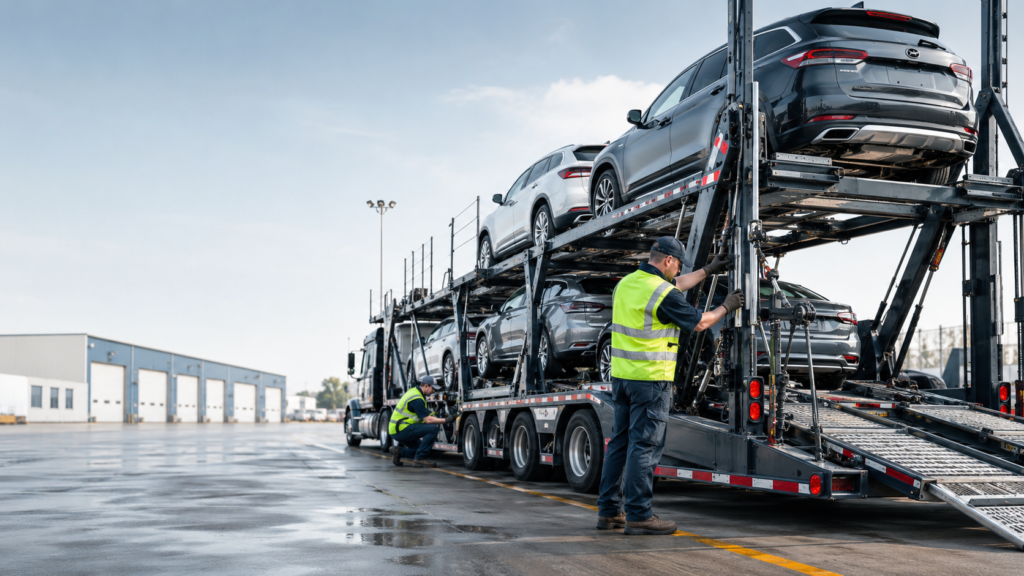
Inspect Tires Before Every Trip
Tires carry the full weight of both the truck and the vehicles being transported. For operators involved in long-distance car transport services, tire condition should never be overlooked.
Before each trip, check tire pressure, tread depth, and sidewall condition. Uneven wear may indicate alignment or suspension issues that should be addressed immediately. Properly maintained tires improve fuel efficiency, reduce blowout risks, and help maintain stability when transporting multiple vehicles.
If your business frequently transports SUVs, pickup trucks, or electric vehicles, tire inspections become even more important because these vehicles often increase the total load on the carrier.
Pay Close Attention to the Hydraulic System
The hydraulic system is one of the hardest-working components on a vehicle carrier truck. Hydraulic cylinders, pumps, hoses, and control valves are responsible for lifting decks, operating ramps, and adjusting loading platforms.
Even a small hydraulic leak can reduce lifting performance and eventually cause system failure. Regularly inspect hydraulic hoses for cracks, check fluid levels, and look for signs of contamination in the oil.
For businesses operating a hydraulic car carrier truck with adjustable decks, preventive maintenance can significantly reduce downtime and loading delays.
Keep Loading Ramps and Platforms in Good Condition
Loading ramps are exposed to constant wear from vehicle movement, changing weather conditions, and heavy loads. Damaged ramps not only slow down operations but can also increase the risk of vehicle damage during loading.
Inspect ramp hinges, locking mechanisms, and support structures regularly. Lubricate moving parts and tighten loose bolts when necessary.
Operators who transport luxury vehicles, sports cars, or low-clearance vehicles should pay particular attention to ramp angles and surface conditions to prevent underbody damage during loading and unloading.
Check Tie-Down Equipment Frequently
Safe vehicle transport depends on proper load securement. Worn wheel straps, damaged chains, or loose anchor points can create serious safety risks on the road.
Every vehicle loaded onto a car transport truck should be secured using approved tie-down equipment. Inspect straps for fraying, check ratchets for proper operation, and replace damaged components immediately.
Investing in quality tie-down systems is often much cheaper than dealing with vehicle damage claims or transport-related accidents.
Monitor Suspension and Axle Components
The suspension system absorbs road shocks and helps protect transported vehicles from excessive movement. Whether your carrier uses mechanical suspension or air suspension, regular inspections are essential.
Look for worn bushings, damaged shock absorbers, loose mounting points, and abnormal tire wear patterns. Operators using a multi-car carrier truck for highway transport should pay special attention to suspension performance because long-distance routes place additional stress on these components.
A healthy suspension system improves vehicle stability, driving comfort, and overall transport safety.
Maintain the Braking System
Car carrier trucks often operate at or near their maximum legal weight limits. Reliable braking performance is therefore critical.
Routine brake maintenance should include checking brake pads, brake discs, air lines, and emergency braking systems. Any unusual noises, vibrations, or reduced braking performance should be investigated immediately.
For operators using a car carrier semi-trailer, trailer braking systems should be inspected as carefully as the tractor unit to ensure safe stopping distances under full load.
Prevent Rust and Corrosion
Corrosion is one of the most common causes of structural deterioration in transport equipment. Trucks operating in coastal regions, rainy climates, or areas where road salt is used are especially vulnerable.
Inspect the frame, loading decks, ramps, and welded joints regularly for signs of rust. Cleaning the truck after exposure to salt or mud can significantly extend the life of structural components.
Applying protective coatings and performing periodic anti-corrosion treatments can help preserve the strength and appearance of the carrier for many years.
Follow a Scheduled Maintenance Program
Waiting for something to break is rarely the most cost-effective maintenance strategy. Successful fleet operators typically follow a structured maintenance schedule based on mileage, operating hours, and manufacturer recommendations.
Routine servicing should include:
- Engine oil and filter changes
- Hydraulic fluid replacement
- Brake inspections
- Tire rotation and replacement
- Electrical system testing
- Lubrication of moving components
Keeping accurate maintenance records also makes it easier to track recurring issues and plan future repairs.
Train Drivers to Identify Early Warning Signs
Drivers spend more time with the truck than anyone else and are often the first to notice potential problems.
Encourage drivers to report unusual noises, hydraulic leaks, steering issues, warning lights, or changes in braking performance. Early detection can prevent minor issues from becoming major repairs.
For companies operating a fleet of car carrier trucks, driver awareness can be one of the most effective maintenance tools available.
FAQ About Car Carrier Truck Maintenance
How often should a car carrier truck be inspected?
A car carrier truck should be inspected before every trip, especially if it is used for daily vehicle transport. Basic checks should include tires, brakes, lights, ramps, hydraulic hoses, tie-down points, and safety locks. For trucks used in long-distance transport or heavy-load operations, a more detailed inspection should be done weekly.
What are the most important maintenance parts on a car carrier truck?
The most important parts to maintain are the braking system, hydraulic system, tires, loading ramps, suspension, tie-down equipment, and frame structure. These components directly affect loading safety, driving stability, and the protection of the vehicles being transported.
How do I maintain the hydraulic system on a car carrier truck?
To maintain the hydraulic system, regularly check the hydraulic oil level, inspect hoses for cracks or leaks, and make sure cylinders and pumps are working smoothly. Dirty or low hydraulic oil can cause slow ramp movement, weak lifting power, or system failure. For a hydraulic car carrier truck with adjustable decks, the system should be checked more frequently.
Why is ramp maintenance important for vehicle transport?
Ramp maintenance is important because damaged or unstable ramps can make loading unsafe. Loose hinges, worn surfaces, steep angles, or broken locking devices may cause vehicle damage during loading and unloading. This is especially important when transporting sports cars, luxury vehicles, or low-clearance vehicles.
How can I prevent rust on a car carrier truck?
To prevent rust, clean the truck regularly, especially after driving through rain, mud, coastal areas, or salted roads. Pay attention to the frame, ramps, deck surface, welded joints, and underbody structure. Anti-rust coating and regular paint repair can help extend the service life of the truck.
What happens if a car carrier truck is overloaded?
Overloading can damage the tires, suspension, brakes, frame, and hydraulic system. It also increases stopping distance and makes the truck harder to control. In many regions, overloading may also cause legal penalties. Always follow the rated loading capacity, axle load limits, and local transport regulations.
How often should hydraulic oil be replaced?
Hydraulic oil replacement depends on usage frequency, working conditions, and the manufacturer’s service schedule. A truck used every day or operating in dusty, hot, or heavy-load conditions may need more frequent oil replacement. If the oil looks dirty, smells burnt, or the hydraulic system becomes slow, it should be checked immediately.
How can drivers help with car carrier truck maintenance?
Drivers can help by reporting unusual sounds, hydraulic leaks, weak braking, uneven steering, warning lights, or ramp problems as soon as they appear. Since drivers use the truck daily, they are often the first to notice small issues before they become expensive repairs.
Conclusion
Regular maintenance is essential for keeping a car carrier truck safe, reliable, and profitable. From inspecting tires and brakes to maintaining hydraulic systems and loading equipment, every component plays a role in protecting both the truck and the vehicles being transported.
A proactive maintenance approach reduces downtime, lowers operating costs, and extends equipment lifespan. Whether you manage a single auto hauler truck or an entire fleet of vehicle transport trucks, consistent maintenance is one of the best investments you can make for long-term success.