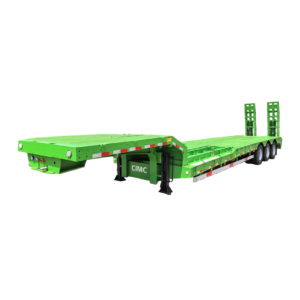
Gooseneck Semi Trailer

Gooseneck Semi-Trailers are designed for transporting heavy machinery, construction equipment, and oversized cargo. Available in different configurations, including fixed and removable gooseneck designs, they provide flexible loading solutions for demanding transportation applications. Depending on the model, options may include multiple axle configurations, reinforced steel structures, hydraulic systems, and customized loading platforms.

Heavy-Duty Hauling

Designed for transporting heavy machinery, construction equipment, and oversized cargo across demanding work environments.

Flexible Gooseneck Designs

Available in fixed and removable gooseneck configurations to suit different loading methods and transportation requirements.

Versatile Loading Solutions

Loading platforms and ramp options can be configured to accommodate different types of machinery and cargo.

Configurable Trailer Options

Axle configurations, platform dimensions, suspension systems, and hydraulic features can be selected according to operational needs.

Gooseneck Semi Trailer

Common Applications

Construction Machinery
Mining Equipment
Road Construction Machinery
Agricultural Machinery
Industrial & Oversized Cargo

Gooseneck Semi Trailer Products (5)

Showing all 5 results

Gooseneck Semi Trailer Specifications

Specification Details
Trailer Type Gooseneck Semi Trailer
Application Heavy Equipment Transportation
Suitable Cargo Excavators, Bulldozers, Loaders, Construction Machinery, Mining Equipment
Axle Options 2 Axle / 3 Axle / 4 Axle
Length Options 40 ft / 42 ft / 44.3 ft / 45 ft / Customized
Capacity Range 40 Tons - 70 Tons
Gooseneck Type Hydraulic Gooseneck / Fixed Gooseneck
Suspension Mechanical Suspension / Air Suspension / Hydraulic Suspension
Loading Method Rear Ramp Loading
Platform Type Lowbed Platform / Heavy-Duty Loading Deck
Main Features Heavy-Duty Hauling / Flexible Gooseneck Design / Versatile Loading Solutions / Configurable Trailer Options
Common Applications Construction Machinery / Mining Equipment / Road Construction Machinery / Agricultural Machinery / Industrial & Oversized Cargo
Customization Available according to cargo and road regulations

Gooseneck Semi Trailer Types

Type Description
Hydraulic Gooseneck Lowbed Trailer Features a hydraulic gooseneck system to facilitate trailer coupling, platform adjustment, or loading operations, depending on the design. Suitable for transporting excavators, loaders, and other heavy construction machinery.
Fixed Gooseneck Lowbed Trailer Uses a permanently attached gooseneck structure for stable heavy-duty transportation. Suitable for regular machinery transport and construction equipment haulage.
Detachable Gooseneck Trailer (RGN) Features a removable gooseneck that allows equipment to be loaded from the front when the design permits. Commonly used for transporting large excavators, bulldozers, and other self-propelled machinery.
2-Axle Gooseneck Semi-Trailer A two-axle configuration designed for suitable cargo weights and transport requirements. Offers a practical option for machinery transportation, subject to axle ratings and local regulations.
3-Axle Gooseneck Lowbed Trailer Features three axles to distribute loads across the trailer axle group. Suitable for transporting construction machinery, industrial equipment, and other heavy cargo within the rated capacity.
Multi-Axle Gooseneck Lowbed Trailer Equipped with multiple axles to accommodate heavier loads and specific weight-distribution requirements. Axle configurations can be selected according to cargo weight, dimensions, and road regulations.
Heavy-Duty Gooseneck Lowbed Trailer Designed with a reinforced structure and suitable axle configurations for demanding heavy-haul applications, including mining machinery, large excavators, and industrial equipment.
Customized Gooseneck Semi-Trailer Available with customized platform dimensions, axle configurations, gooseneck designs, suspension systems, and loading options to meet specific cargo and operating requirements.

How to Choose a Gooseneck Semi Trailer?

Selecting a gooseneck semi-trailer starts with understanding what you need to transport and how the trailer will be used. Equipment weight, overall dimensions, loading conditions, and road restrictions all affect the final configuration. For construction companies, mining contractors, and heavy-haul operators, choosing the right trailer helps improve loading efficiency and ensures the vehicle is suited to its intended work. Hydraulic and fixed gooseneck designs serve different purposes, so it is worth comparing their features before making a purchase.

1. Start with Your Cargo Requirements

The first step is to identify the type and weight of the equipment you plan to carry. Excavators, bulldozers, wheel loaders, and mining machinery come in different sizes, and each places different demands on the trailer deck and chassis. Check the machine's overall length, width, height, operating weight, and ground clearance. These details help determine the required platform dimensions, loading height, and ramp arrangement. For oversized equipment, the transport route and local vehicle regulations should also be considered before selecting a trailer.

2. Choose a Gooseneck Design That Fits Your Operation

Fixed and hydraulic gooseneck semi-trailers are designed for different operating requirements. A fixed gooseneck provides a permanent connection between the tractor and trailer, making it a practical option for regular heavy-duty transportation. Hydraulic gooseneck designs offer additional flexibility for coupling or loading operations, depending on the specific structure.

If machinery needs to be driven onto the trailer from the front, a removable gooseneck trailer, commonly known as an RGN, may be a better choice. Its detachable front section can create a loading path for compatible self-propelled equipment, reducing reliance on conventional rear ramps. The most suitable design depends on the equipment being transported and the loading facilities available at your worksite.

3. Select the Right Axle Configuration

Axle configuration affects load distribution, maneuverability, and compliance with road weight limits. Two-axle and three-axle trailers may suit different cargo weights, while multi-axle configurations are available for more demanding heavy-haul applications. When comparing options, look beyond the number of axles and check the rated capacity of each axle group, the trailer's permitted payload, and the load carried by the tractor.

The final configuration should account for the cargo's weight distribution as well as the legal axle loads in the destination country. This is particularly important when transporting heavy machinery over long distances or across different road networks.

4. Check the Loading Platform and Suspension

Platform length, width, deck height, and ramp design should match the equipment being loaded. A lower deck can provide additional clearance for tall machinery, while suitable ramps or a removable gooseneck can make loading more convenient. Reinforced platform sections may also be required for concentrated loads or equipment with high ground pressure.

Suspension is another consideration. Mechanical suspension is often chosen for its straightforward construction and maintenance, while air or hydraulic suspension may be available for applications requiring different ride or load-management characteristics. Availability depends on the trailer design, so confirm the specifications with the manufacturer before ordering.

5. Confirm Tractor Compatibility and Customization Options

Before placing an order, check that the trailer is compatible with your tractor, including fifth-wheel height, kingpin specifications, coupling arrangement, and axle-load distribution. The tractor's capacity must also be suitable for the intended combination and cargo weight.

Trailer configurations can often be adjusted to meet specific operating requirements. Depending on the model, options may include different platform dimensions, axle arrangements, suspension systems, hydraulic components, and loading accessories. Buyers should also confirm braking equipment, lighting requirements, and applicable transport regulations in the destination market.

Find the Right Gooseneck Semi-Trailer

The right trailer is one that matches your equipment, loading method, and day-to-day transport conditions. Whether you need a fixed gooseneck lowbed, a hydraulic gooseneck trailer, or an RGN configuration, reviewing the technical requirements before purchasing can help avoid unnecessary modifications and operating difficulties.

Explore our range of gooseneck semi-trailers for construction machinery, mining equipment, and other heavy cargo. Share your cargo dimensions, required payload, preferred trailer configuration, and destination country with our team to discuss available options and request a quotation.

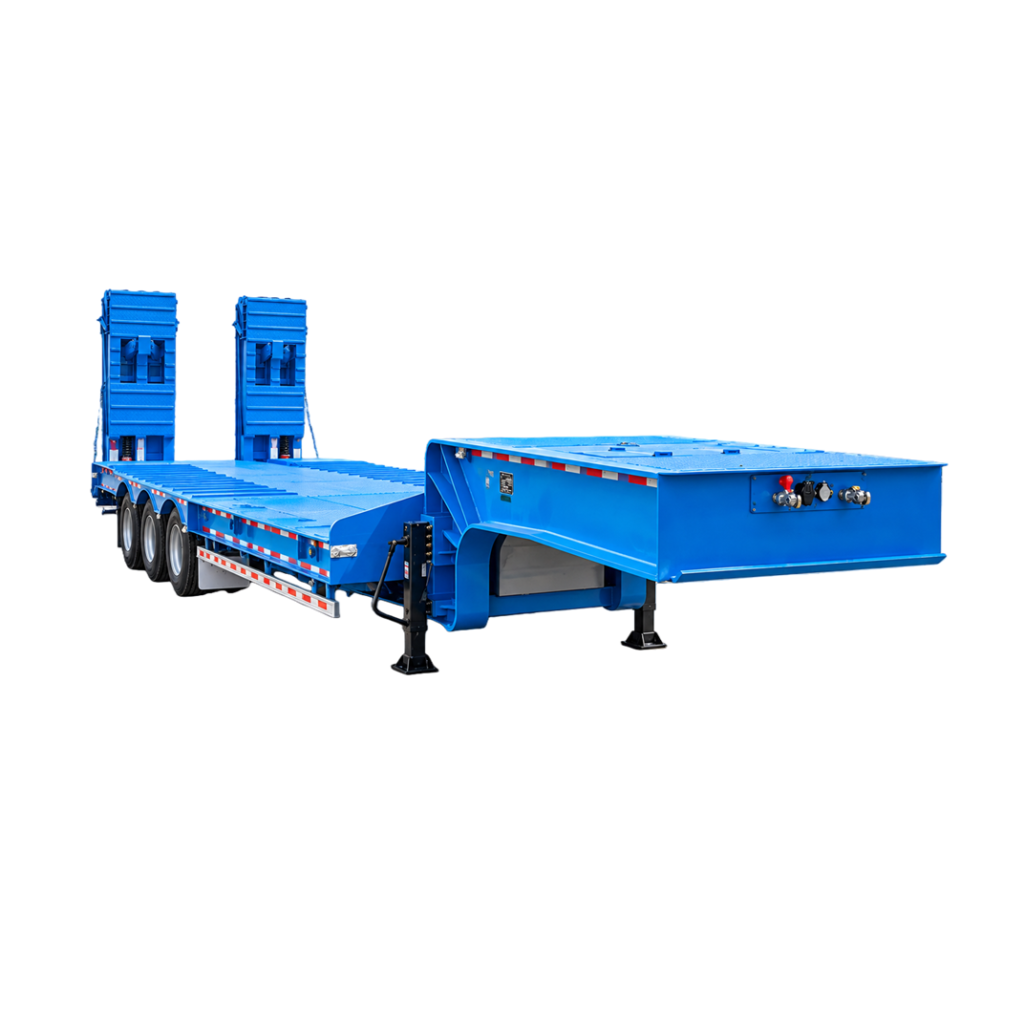
Gooseneck Semi Trailer – Frequently Asked Questions

1. What is a gooseneck semi-trailer?

A gooseneck semi-trailer is a trailer designed with a raised front connection structure that couples to a tractor's fifth wheel. Gooseneck designs are commonly used on lowbed trailers for transporting heavy machinery, construction equipment, and oversized cargo. The exact structure and loading method depend on the trailer model.

2. What is the difference between a fixed gooseneck and a hydraulic gooseneck trailer?

A fixed gooseneck has a permanently attached front structure, making it suitable for regular heavy-duty transportation. A hydraulic gooseneck uses hydraulic components to assist specific coupling, height-adjustment, or loading operations, depending on its design. Buyers should confirm the actual functions of each model before purchasing.

3. What is the difference between a gooseneck trailer and an RGN trailer?

RGN stands for Removable Gooseneck. An RGN trailer features a detachable front section that can create a front-loading path for compatible self-propelled equipment. Not every gooseneck semi-trailer has a removable gooseneck, so buyers should confirm whether front loading is required for their machinery.

For a more detailed comparison of loading methods, applications, and costs, read our guide: RGN Trailer vs Lowboy Trailer: What’s the Difference?

4. What types of cargo can a gooseneck semi-trailer transport?

Gooseneck lowbed semi-trailers are commonly used to transport excavators, bulldozers, wheel loaders, road rollers, mining machinery, and other heavy industrial equipment. The suitable trailer depends on the cargo's weight, dimensions, ground clearance, and loading requirements.

5. What axle configurations are available?

Gooseneck semi-trailers may be configured with two axles, three axles, or multiple axles, depending on the model and intended application. Axle selection should consider the cargo weight, load distribution, tractor capacity, and applicable road regulations in the destination country.

6. What trailer lengths and load capacities are available?

Trailer lengths and rated capacities vary by model and configuration. Options may include different platform lengths, axle arrangements, and structural designs. To identify a suitable gooseneck semi-trailer, buyers should provide the cargo dimensions, required payload, and destination market so the specifications can be checked against actual transport requirements.

7. Can a gooseneck semi-trailer be customized?

Yes, customization may be available depending on the model and technical requirements. Options can include platform dimensions, axle configuration, suspension type, ramp design, hydraulic components, and other equipment. Custom specifications should be confirmed with the manufacturer before an order is finalized.

8. How do I check whether a gooseneck semi-trailer is compatible with my tractor?

Check the tractor's fifth-wheel height, kingpin specifications, coupling arrangement, permitted axle loads, and towing capacity. The tractor and trailer must be compatible as a combination, and the final configuration must comply with the applicable vehicle and road regulations.

9. What information should I provide when requesting a quotation?

To receive a suitable quotation, provide the type of cargo, maximum cargo weight, overall dimensions, preferred trailer length, required axle configuration, and destination country. If you have specific requirements for hydraulic systems, ramps, suspension, or other equipment, include those details as well.

10. Can gooseneck semi-trailers be supplied for international markets?

Gooseneck semi-trailers can be configured for different export markets, subject to technical feasibility and applicable regulations. Before ordering, confirm vehicle dimensions, braking and lighting requirements, axle-load limits, import approvals, and shipping arrangements with the supplier and local importer.

Scroll to Top